|
Voodoo
Dance
|
|
|
|
Haiti is an ever growing, but very poor country on the large island of Hispanola. Among this brightly colored and tropical isle rests the history and mystical religion of voodoo transcended from the culture of voodoun, and over 90 styles of ritual dance; each with different drum rythms. this web site explores into the religion of HAiti and the three major types of Haitian dance: Yanvalou dance, Dahomey-Zepol, and ceremonial ritual dances of the loa.
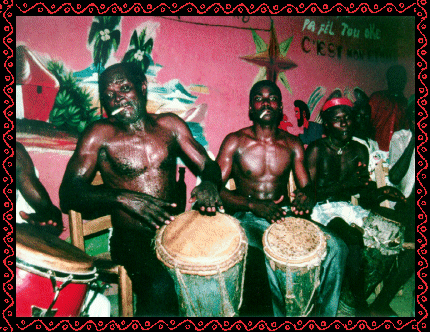
is a folkloric ensemble, which manifests part of a ceremony. there are no prayers said, but culture and tradition is spread through this music and dance. Elements of this dance includes two halves: the dummer and the dancers. The drummer plays both Haitian and Brazilian styles.
originated in dehomey - Benin Africa, by which it transcended to the middle passage by way of slave trade. like the Yanvalou dance, it is not religious but is found in ceremonial rituals as part of the Haitian culture from Africa.
LOA is, contrary to the other two types of dances previously spoken of, is areligious or voodoo spiritual dance. Loa is a God that posesses a person and influences them to act and move/dance in a certain way. This is in accordance to which god is posessing the person. these important religious traditions stay in the Afro-Haitian culture and will continue through generations becuase of dance, music, and spirituality.
Since the dance in Haiti is widely influenced by African traditions, the name is fused into Afro-Haitian dance, which embodies both cultures. This type of dance has greatly influenced the modern dance world, mainly through academic exposure and through the fame brought about by Katherine Dunham who studied the Afro-Haitian dance form and brought it back to the American stages where it has flourished ever since. |